Build bilingual routes, not moments
What Telemundo's World Cup coverage and Mayor Mamdani's WhatsApp channel teach newsrooms about reaching bilingual audiences — by Daniela Tabata.
Hello — and happy almost-fall, my favorite season!
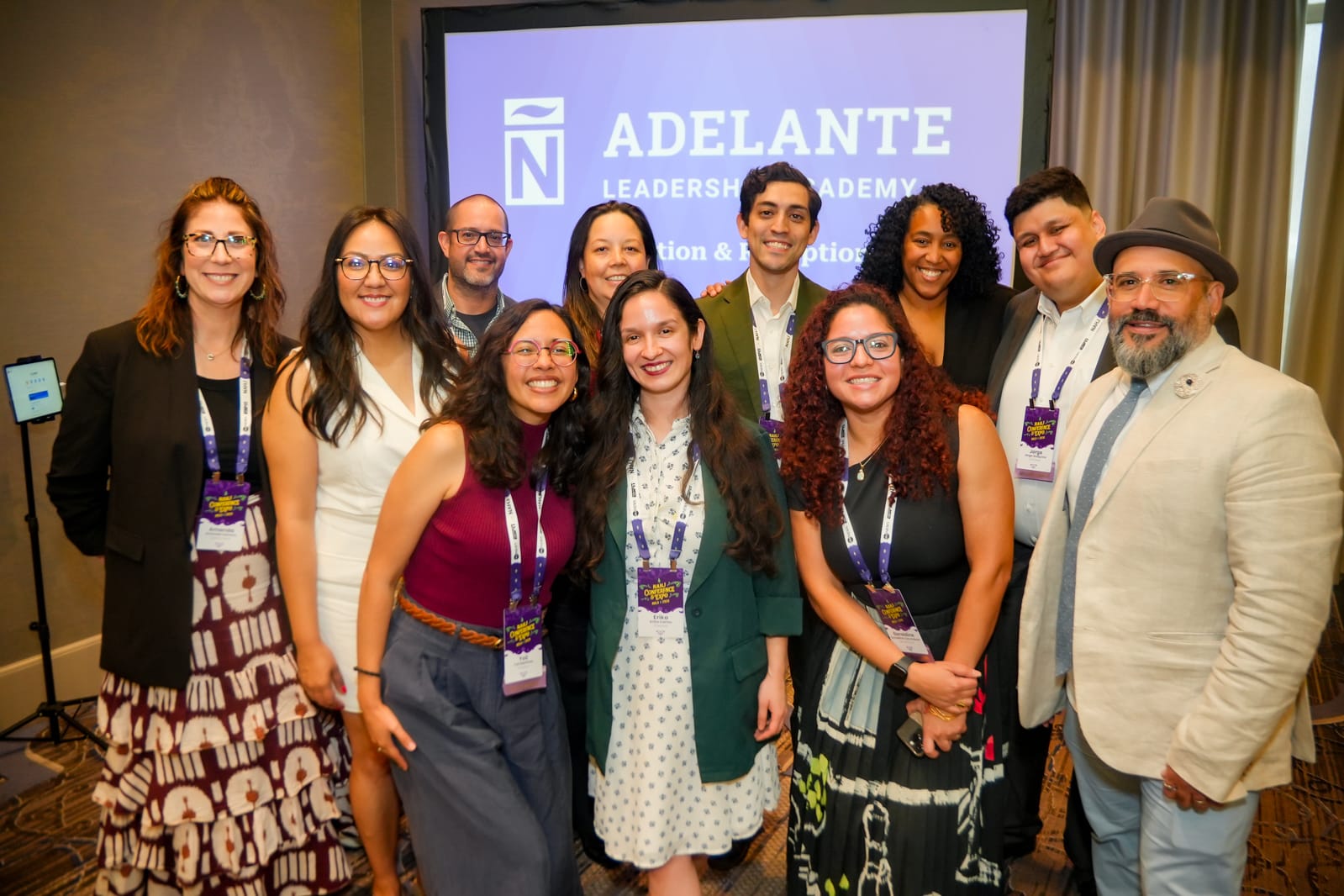
I'm writing this coming off a summer that's hard to top. NAHJ's Adelante fellows wrapped an incredible cohort together, and I'm already missing that room.
Next stop is Oaxaca, where I'm heading for a four-week research and writing residency. My reply times might slow down a touch — the ideas won't. Expect some of what I bring back to show up in future issues.
Before I go quiet for a bit, I get to hand you off to something great. This month's Playbook comes from my colleague Daniela Tabata, and it's one of the smartest pieces we've run this year — Telemundo's World Cup coverage, Mayor Mamdani's WhatsApp channel, and what both reveal about what it actually takes to reach bilingual audiences.
In this issue: 📋 The Playbook — What Telemundo and Mamdani can teach newsrooms about engaging bilingual audiences, by Daniela Tabata; 💰 Funding Radar — Grants and fellowships with deadlines this month
Enjoy the read, and I'll see you on the other side of Oaxaca.
— az
📋 The Playbook: What Newsrooms Can Learn From Telemundo and Mamdani About Engaging Bilingual Audiences
By Daniela Tabata
This summer, Telemundo's World Cup coverage became the most-watched Spanish-language broadcast in tournament history — and a fifth of those viewers didn't even speak Spanish. Around the same time, Mayor Zohran Mamdani launched a WhatsApp channel and relaunched NYC's Spanish-language Instagram to reach residents directly. Different arenas, same lesson: audiences respond when language feels authentic, not translated.
Daniela's takeaways for newsrooms:
- Treat Spanish as a core product, not a translation layer. Telemundo didn't dub an English broadcast — it built decades of Spanish-language sports culture that English speakers eventually wanted in on. Know your audience before you build for them.
- Build bilingual routes, not bilingual moments. A story needs an English version, a Spanish explainer, and a distribution plan through channels people already trust — running in parallel, not translated days later.
- Localize by community, not just language. "Spanish" isn't one audience. A Puerto Rican reader in New York and a Mexican reader in Texas can use the same word differently. Spanish-speaking editors and reporters are the fastest route to getting this right — let them shape strategy, not just execute it.
- Be an ecosystem player. Newsrooms don't need to replicate outreach that hotlines, WhatsApp channels and community groups already handle well. Partner with them, and become the place people turn for context and verification.
Daniela closes with an audit any newsroom can run today: are Spanish-language stories planned from the start, or translated after the fact? Do Spanish-speaking editors have real authority over coverage? Is bilingual work part of your workflow, or just an election-season burst?
Read the full piece → What newsrooms can learn from Telemundo and Mamdani about engaging bilingual audiences
🚨 Grants, Fellowships & Funding Radar
- The New York Times Local Investigations Fellowship — ⏰Deadline: August 21, 2026 — 💰Funded fellowship — Open to newsroom staffers and freelancers, this yearlong fellowship pairs local reporters with Dean Baquet and veteran investigative editors to develop and publish ambitious accountability reporting with The Times. Applications are reviewed on a rolling basis, so apply as soon as you can. Apply here
- Pulitzer Center U.S. Democracy Reporting Grants — ⏰Deadline: August 31, 2026 — 💰Grant support varies — These grants support reporting on democracy in the United States, especially voting rights, civil and free-speech rights, election transparency, and investigations into how government agencies are carrying out their work. Funding can help cover travel, records searches, data analysis, and additional reporting or visual support. Apply here
- Trans Journalists Association Level Up — ⏰Deadline: September 1, 2026 — 💰Up to $1,000 — TJA's professional development stipends help journalists and media makers pursue training, conferences, or other opportunities that support trans, nonbinary, and gender-expansive journalists or improve coverage of trans communities. Apply here
- Experience Residency — ⏰Deadline: September 4, 2026 — 💰Paid residency — Experience by Industry Standard, supported by Netflix, is a nine-month paid residency in post-production for people pursuing nonfiction storytelling. The program includes five tracks and builds in 1:1 mentorship and career guidance across the full residency. Apply here
- Alicia Patterson Fellowships — ⏰Deadline: October 1, 2026 — 💰$20,000 for six months; $40,000 for 12 months — The Fund for Investigative Journalism is offering fellowships for in-depth written reporting on U.S.-focused issues of public interest. Applicants need a strong reporting plan, an investigative angle, and evidence the project can become a published series or long-form body of work. Apply here
Audience Almanac is a monthly newsletter from Agencia Media — delivering practical frameworks, funding leads and community-first models for publishers doing the work. Subscribe and share.